


Hassle‑Free Yacht Inspection: The Essential Pre‑Purchase Steps
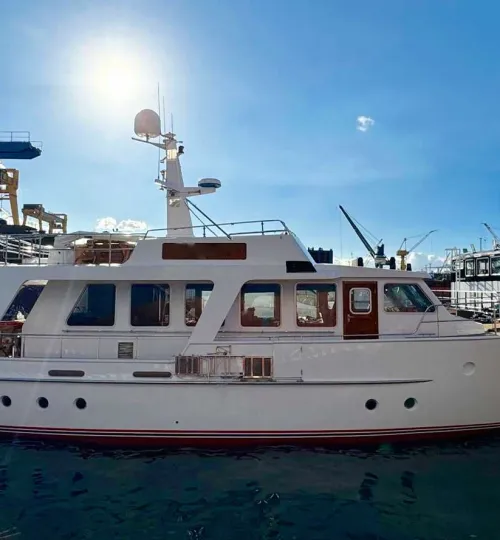
Hassle‑Free Yacht Inspection: The Essential Pre‑Purchase Steps
Most yacht inspections end up more complicated than they need to be. You want clear steps and trusted experts who handle everything—from marine surveyor bookings to sea trials and paperwork—across the Nordics and Mediterranean. With Skippern Yachts, your yacht inspection checklist becomes a straightforward guide that turns due diligence into confident offers and smooth closings. Ready to make buying your next yacht in Europe hassle-free? Check out this guide on inspecting a used boat before purchase.
Understanding Yacht Inspections
Yacht inspections can seem daunting, but a clear checklist simplifies the process. This ensures a smooth purchasing experience across Europe. Let’s dive into the key steps you need to know.
Key Steps for Buyers
Starting your yacht journey requires focus. Begin by creating a yacht inspection checklist. This ensures you don’t miss any important details. From exterior checks to engine assessments, every step counts.
Visual Check: Walk around the boat. Look for obvious signs of wear and tear. This is your first impression, so take note of anything unusual.
Documentation: Gather all necessary papers. This includes registration, service records, and warranties. A well-documented history is a sign of a well-maintained yacht.
Pre-Purchase Survey: Hire a professional to conduct a detailed pre-purchase survey. They’ll spot issues you might miss, ensuring you’re making a smart investment.
Wondering why these steps are crucial? Most buyers assume visual inspections are enough, but a detailed approach uncovers hidden problems, saving you time and money in the long run.
Reviewing Essential Documents
Paperwork might not be thrilling, but it’s vital. The right documents can make or break your purchase. Here’s what to focus on.
Firstly, ensure the yacht has a clear EU VAT status. Without this, you could face hefty fines. Next, check the RCD/CE compliance. This certification confirms the boat meets European safety standards.
Registration Papers: Confirm who owns the yacht. This avoids future legal issues.
Service Records: These documents show the boat’s maintenance history, helping you spot potential red flags.
Buyers often skip these steps, assuming a clean appearance means a clean record. Don’t fall into this trap—ensure every document is in order.
Hiring a Marine Surveyor
You’re not alone in this process. A marine surveyor is your ally, providing expertise you may lack. But how do you find the right one?
Experience: Look for surveyors with extensive experience in the type of boat you’re buying. Their insights are invaluable.
Reputation: Ask for recommendations. Good surveyors have stellar track records and satisfied clients.
Hiring the right professional turns potential headaches into a seamless experience. Check out this guide on pre-survey checklists for more insights.
Conducting Effective Sea Trials
Once your surveyor is on board, sea trials come next. These tests reveal how the yacht performs on water. It’s the moment where reality meets expectation.
Engine Diagnostics and Performance
Engines are the heart of your yacht. During sea trials, focus on engine diagnostics. This is crucial in assessing the yacht’s power and reliability.
Conduct a thorough engine performance check. Start with a cold engine to detect any startup issues. Monitor fuel consumption and look for unusual noises.
Oil Pressure: Check the gauge during operation to ensure it’s within normal range.
Temperature: Engines should run at a consistent temperature. Fluctuations can indicate underlying issues.
A quiet engine doesn’t always mean a healthy engine. Regular diagnostics can prevent future breakdowns.
Hull and Deck Evaluations
Don’t underestimate the hull and deck. They’re key to a yacht’s longevity and safety. Look for any signs of damage or repairs.
Hull Osmosis Check: Watch for blisters. They may seem minor but can lead to costly repairs.
Moisture Meter Readings: High readings can indicate water ingress, which compromises structural integrity.
Use an ultrasound thickness gauge to measure hull thickness. It’s an advanced technique that highlights wear areas. Interested in the details? This ultimate guide to boat buying provides a comprehensive overview.
Navigating Legal and Closing Processes
The technicalities are done, but the legal hurdles remain. Proper navigation of these ensures a smooth closing.
Title and Liens Search
Before signing anything, conduct a thorough title and liens search. This confirms the yacht is free of claims and can legally be transferred to you.
Title Search: Verify ownership history. Any discrepancies could affect your purchase.
Lien Search: Ensure there are no outstanding debts attached to the yacht.
Most buyers assume title searches are standard, but skipping this step can lead to future disputes.
Escrow and Closing Logistics
You’re almost at the finish line. Now, it’s time to focus on escrow and closing logistics. These final steps ensure a secure transaction.
Escrow Services: This neutral third-party holds funds during the transaction, protecting both buyer and seller.
Closing Documents: Ensure all paperwork is complete. This includes the bill of sale and ownership transfer forms.
Using a trusted yacht broker in Norway or the Mediterranean simplifies this process, ensuring all details are handled professionally. Explore our inspecting a used boat guide for more information.
In conclusion, buying a yacht involves many steps, but with the right guidance, it transforms into a rewarding experience. Whether you’re a seasoned buyer or new to the market, following these steps ensures you’re making a wise investment. Your nautical adventure is just beginning!